In the global cashew nut market, two batches of cashews with the same weight can have a price difference of 15%–40%, simply because of size uniformity and grading standards. That is why grading has become one of the most important steps in every cashew processing factory.
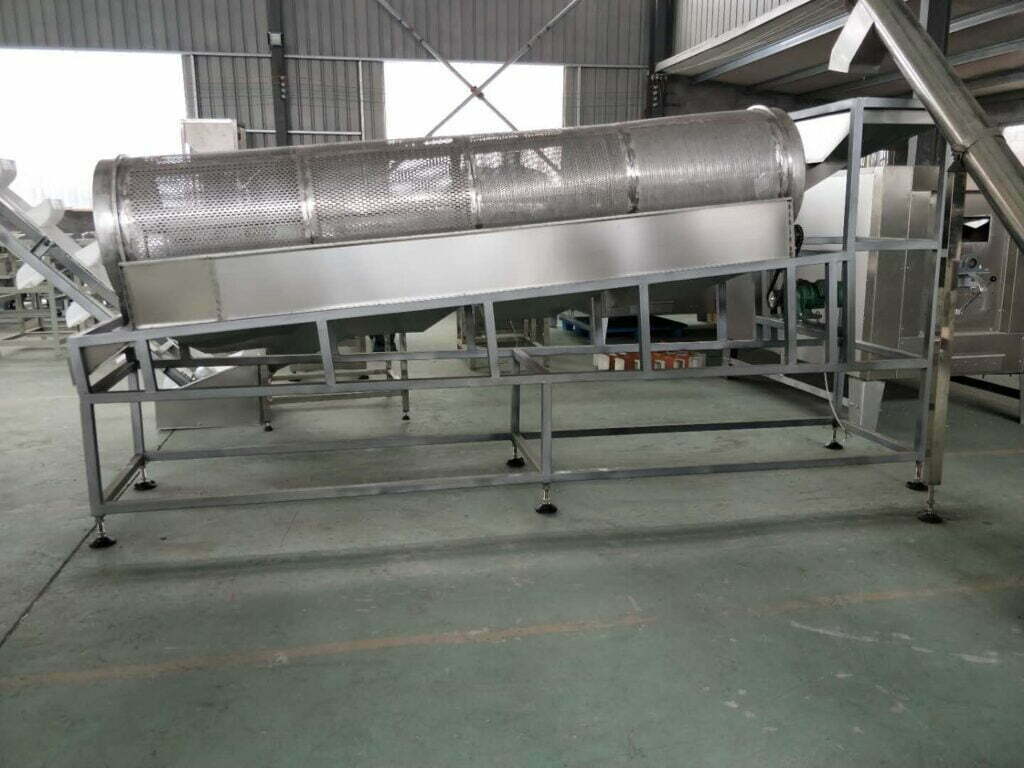
A cashew grading machine plays a central role in this process, helping processors sort kernels into consistent sizes that meet export demands and achieve higher selling prices.
Why Do Cashews Need to Be Graded?
Uniform size = better market value + higher price per ton
International buyers — especially in Europe, the US, and the Middle East — purchase cashew kernels based on grade categories like W320 / W240 / W180.
The more consistent the grading, the better the kernels roast, season, and pack. This is why buyers prefer properly graded cashews and are willing to pay more for them.
A high-precision cashew grading machine helps processors produce uniform kernels that fit premium export standards.
Poor grading = profit loss you can’t ignore
When cashew nuts are not accurately graded:
- Large kernels mix with smaller ones → large nuts lose value
- One grade is contaminated by another → whole batch price decreases
- Manual grading limits production → output cannot match market demand
For a 1-ton batch, inaccurate grading can reduce the selling price by $200–$500 per ton. That is direct profit slipping away.
Why Manual Grading No Longer Works for Most Factories?
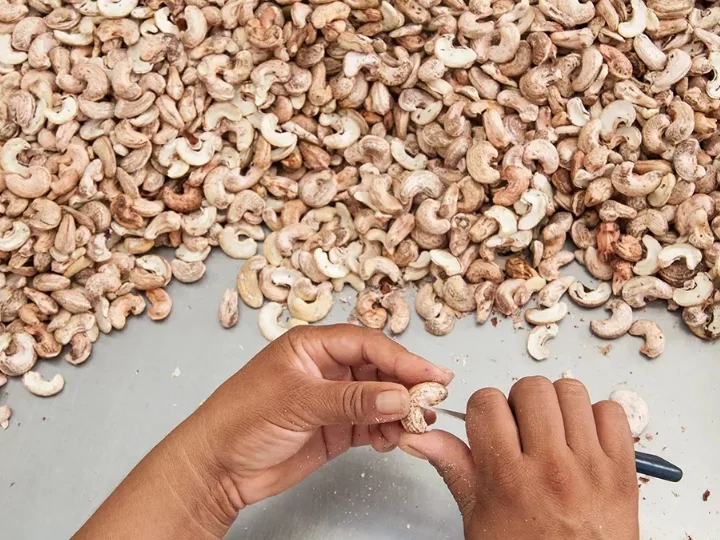
Traditional hand sorting is slow, inconsistent, and unreliable when dealing with large volumes.
| Method | Average Output | Consistency | Cost |
|---|---|---|---|
| Manual Sorting | 60–80 kg/day/person | Low, subjective | Increasing every year |
| Cashew Grading Machine | 100–2000 kg/hour | High precision | Lower long-term cost |
As demand grows, processors need automation to stay competitive — and a cashew grading machine becomes the best solution.
How a Cashew Grading Machine Maximizes Profit?
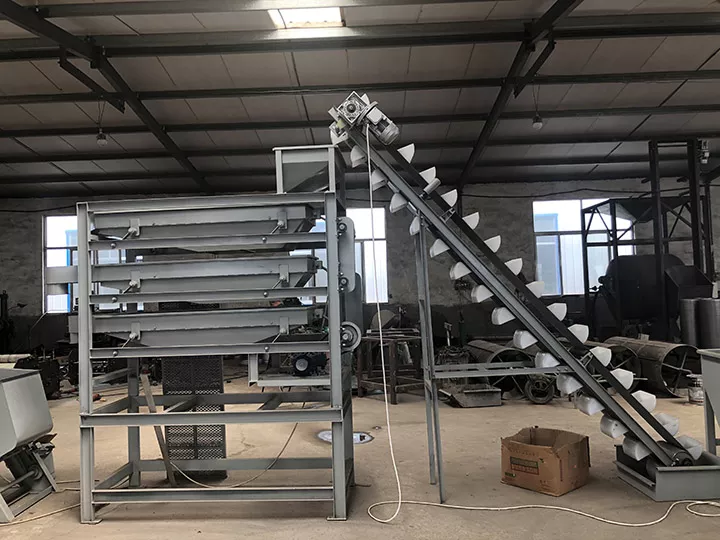
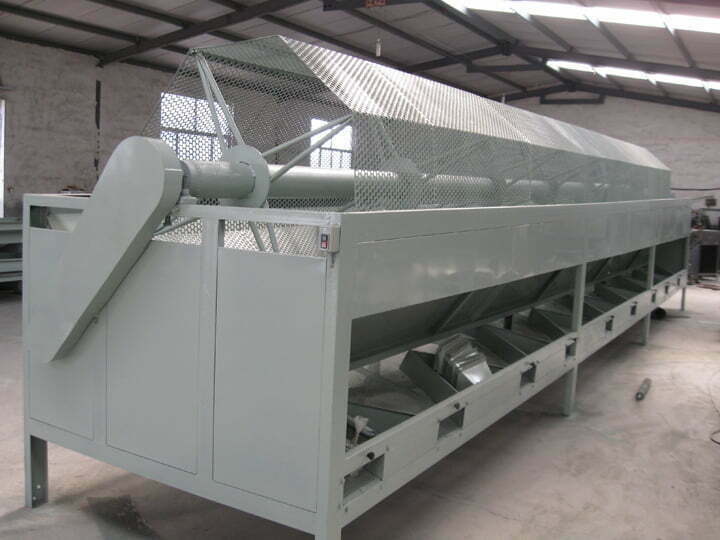
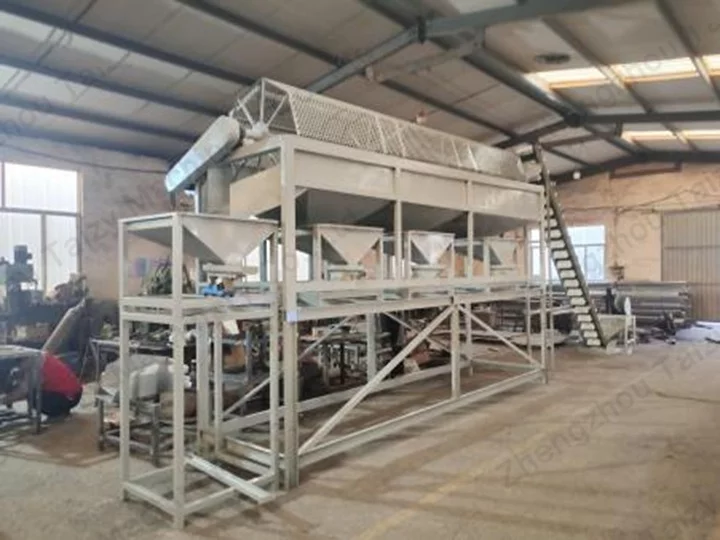
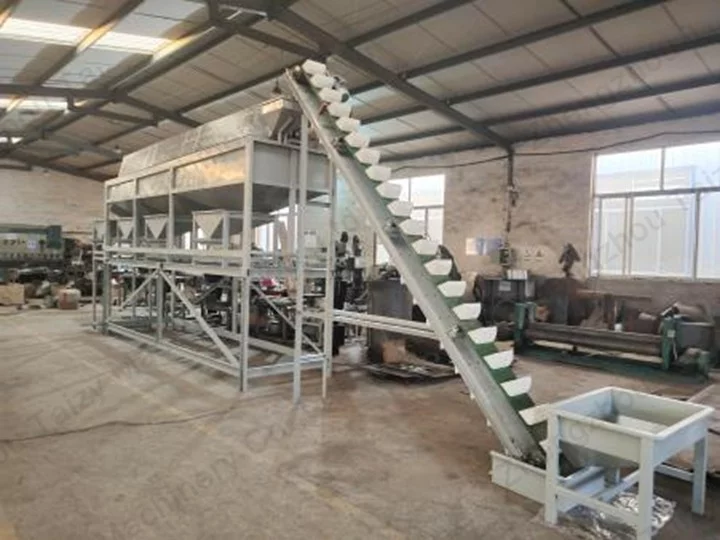
A cashew grading machine separates nuts by size using multi-layer screens or rotary drums tailored for cashew kernels. This ensures stable classification into 4–6 different grades.
Key advantages:
- High Accuracy – Higher Grade Means Higher Price
Stable reduces grade mixing, increasing selling value. - Large Processing Capacity
Suitable for both small-scale and industrial cashew plants, with output up to 1500 kg/hour. - Consistent Quality for Export Markets
Uniform kernel sizes improve roasting performance and help pass strict import inspections. - Low Labor Cost, Fast ROI
One machine replaces several workers — most factories recover investment within a year.
With the right cashew grading machine, processors can unlock premium margins, improve brand image, and expand into high-end markets.
Ready to Increase Your Cashew Profit? Start With Grading
If your goal is to:
- Sell cashews at higher prices
- Improve size uniformity for export
- Increase production capacity
- Reduce labor dependency
Then a cashew grading machine is the most valuable investment you can make.
Why Choose Our Cashew Grading Machine?
- 4–6 stage grading optional
- Adjustable screen sizes for different kernel grades
- High precision, low breakage, gentle handling
- Low noise, durable construction, easy maintenance
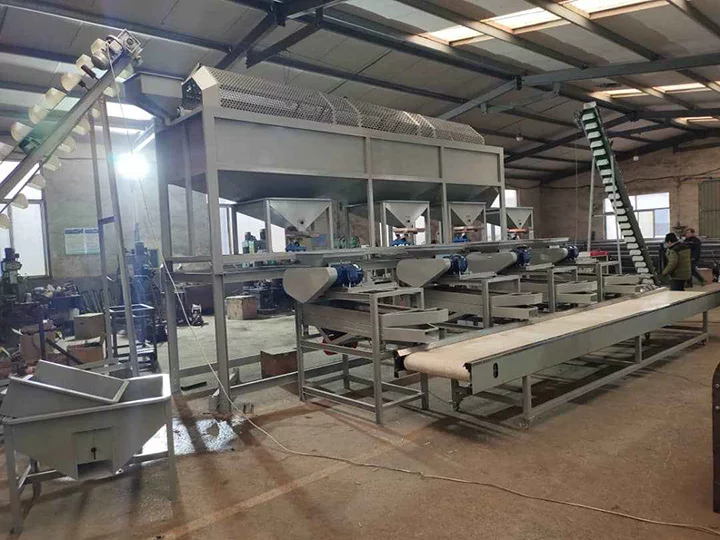
- Compatible with a full cashew processing line (shelling, separating, drying, etc.)
Whether you operate a small cashew workshop or a large export plant, we can provide the right cashew grading machine and a full processing layout tailored to your capacity.
Contact Us for Pricing and Technical Solutions
Tell us your raw kernel size and daily output, and we will recommend the most suitable cashew grading machine for your factory, provide cost analysis, capacity configuration, and free cashew processing advice.
Message us directly to get a quotation and machine video.