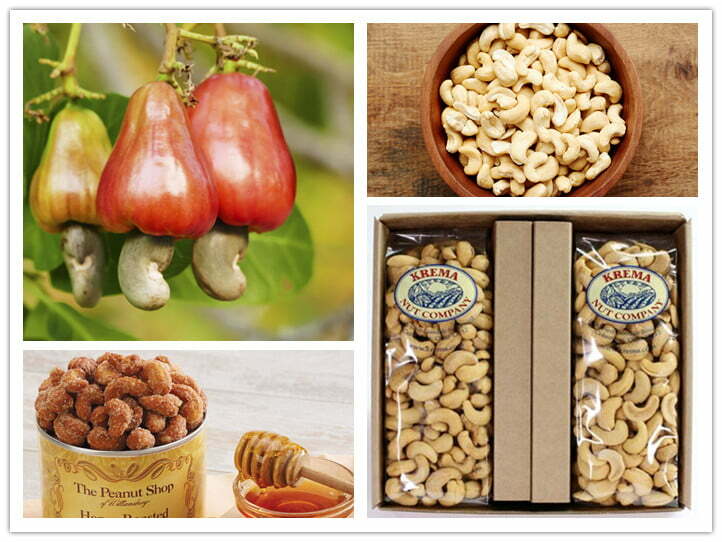
Cashew nuts are among the most valuable tree nuts in the global market. However, many people are surprised to learn that shelling is not the final step in cashew processing. In fact, once the shell is removed, the kernels still need to go through several important stages before they are ready for sale or export.
Understanding what happens after shelling can help processors improve product quality, increase market value, and reduce losses during production.
Shelling Is Only the Beginning
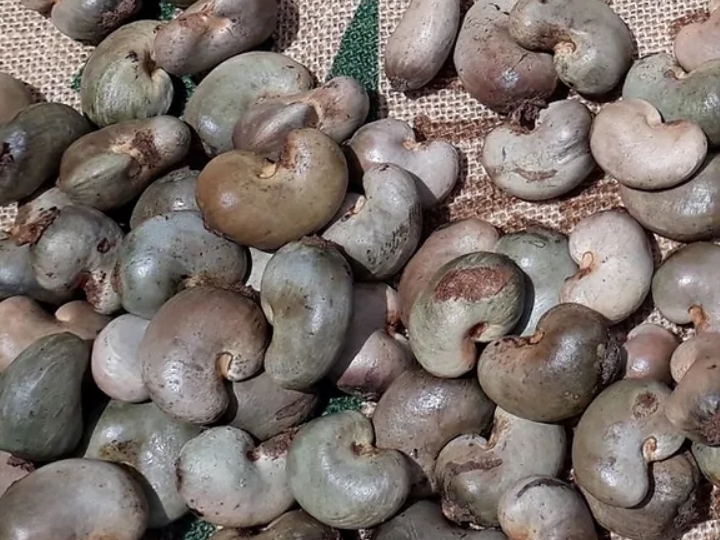
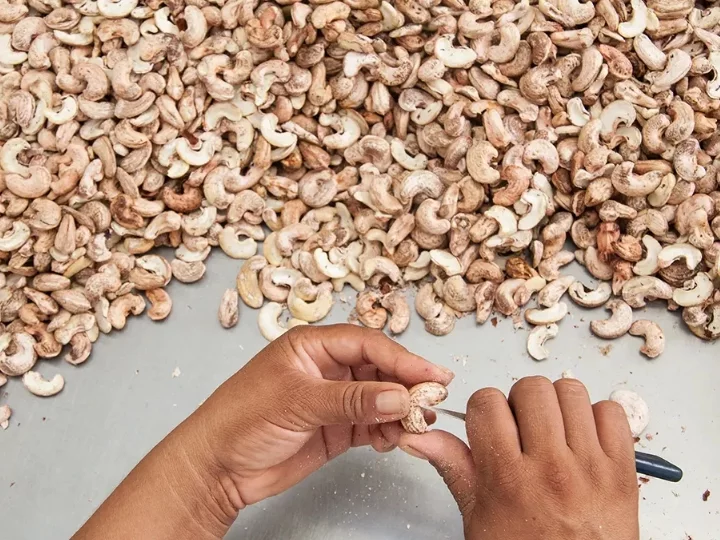
After the hard outer shell is removed, cashew kernels are still covered by a thin brown skin known as the testa. Although the kernels are technically edible at this stage, most commercial markets require clean, white kernels with an attractive appearance.
As a result, processors must continue with drying, peeling, grading, and packaging before the cashews reach consumers.
Why does removing the Cashew Skin Matters?
The thin brown skin may seem insignificant, but it plays an important role in the commercial value of cashew products.
Most buyers prefer peeled kernels because they offer:
- A cleaner appearance
- Better product consistency
- Higher market value
- Easier further processing
For exporters and food manufacturers, skin removal is often a critical quality requirement.
The Challenge of Manual Peeling
Traditionally, workers removed cashew skins by hand. While this method can work for small operations, it becomes difficult as production volume increases.
Manual peeling often leads to:
- 高劳动力成本
- 处理速度慢
- Inconsistent peeling quality
- Increased kernel breakage
As demand for processed cashews continues to grow, many factories are looking for more efficient solutions.
How Modern Cashew Processing Improves Efficiency?
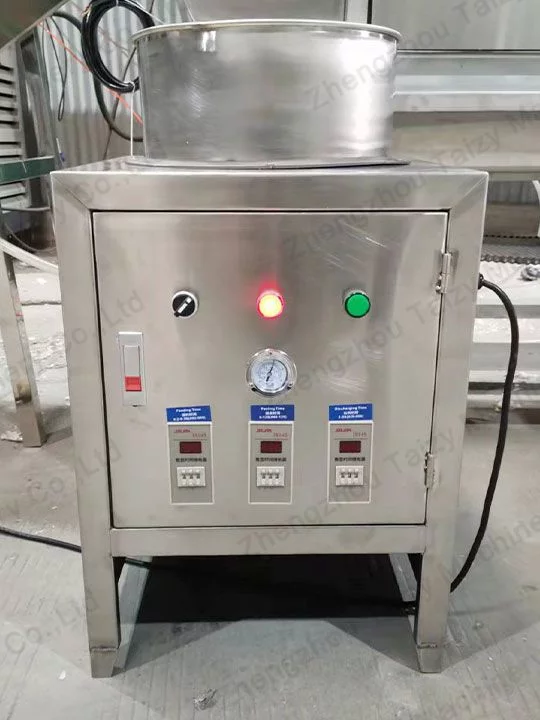
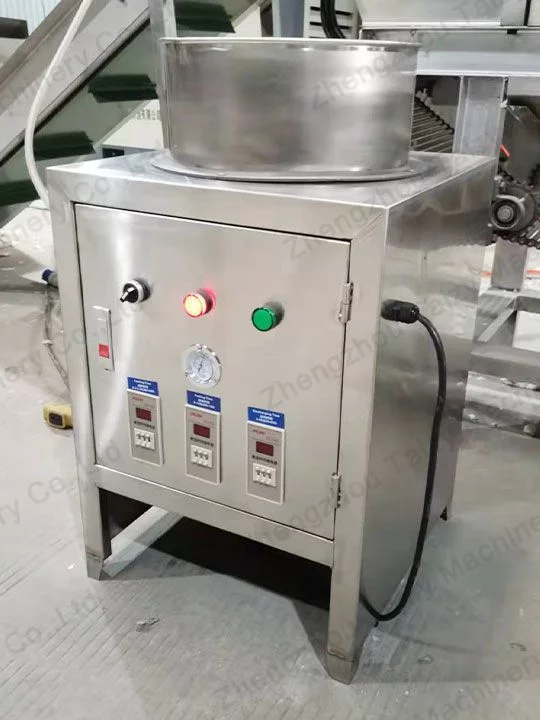
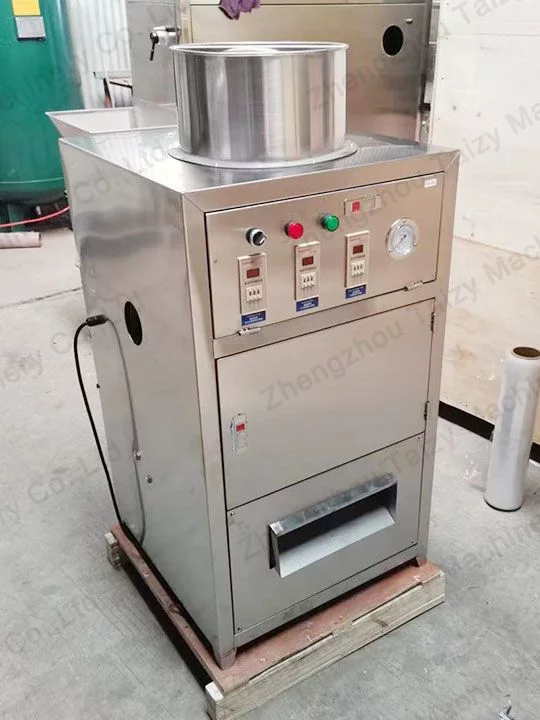
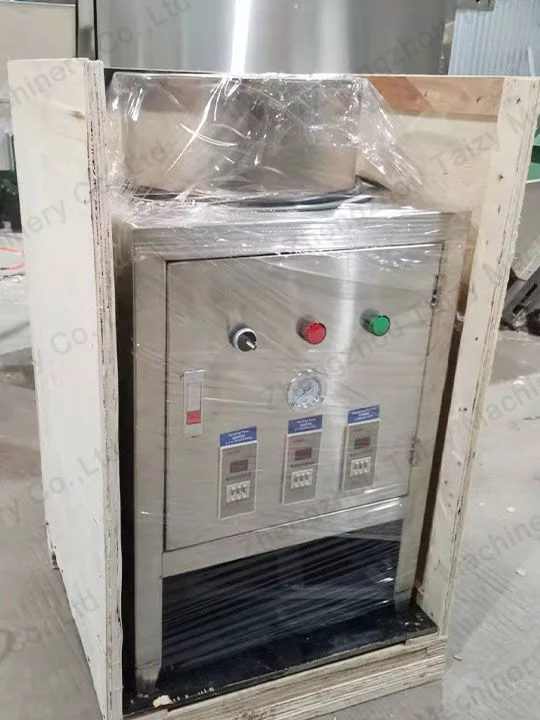
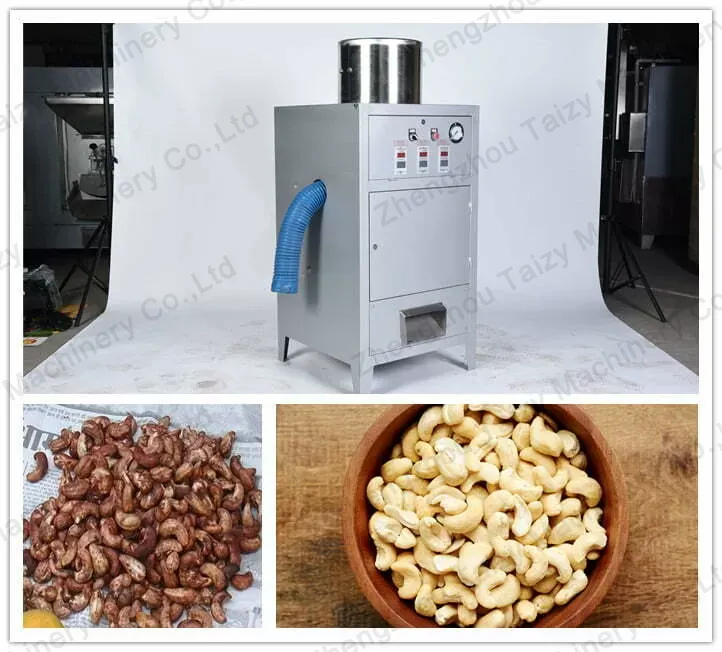
Today, many processors use a cashew nut peeling machine to remove the testa quickly and consistently.
Instead of relying entirely on manual labor, the machine uses controlled friction or pneumatic technology to separate the skin from the kernel while minimizing damage.
This allows producers to process larger quantities of cashews while maintaining product quality.
For export-oriented businesses, improved peeling efficiency can significantly increase overall productivity.
Adding More Value to Cashew Products
The difference between a freshly shelled kernel and a fully processed export-grade cashew can be significant.
By investing in efficient post-shelling processing, manufacturers can:
- Improve product appearance
- Increase market competitiveness
- Reduce labor requirements
- Enhance processing efficiency
- Achieve higher selling prices
This is why many modern cashew processing plants focus heavily on peeling and grading operations rather than shelling alone.
Building a More Efficient Cashew Processing Line
As global demand for high-quality cashew kernels continues to rise, processors are under increasing pressure to improve efficiency while maintaining quality standards.
A reliable 腰果去皮机 can help streamline one of the most labor-intensive stages of production, allowing businesses to process more kernels with greater consistency.
For companies planning to upgrade their cashew processing operations, understanding the role of peeling technology is an important step toward achieving higher productivity and profitability.